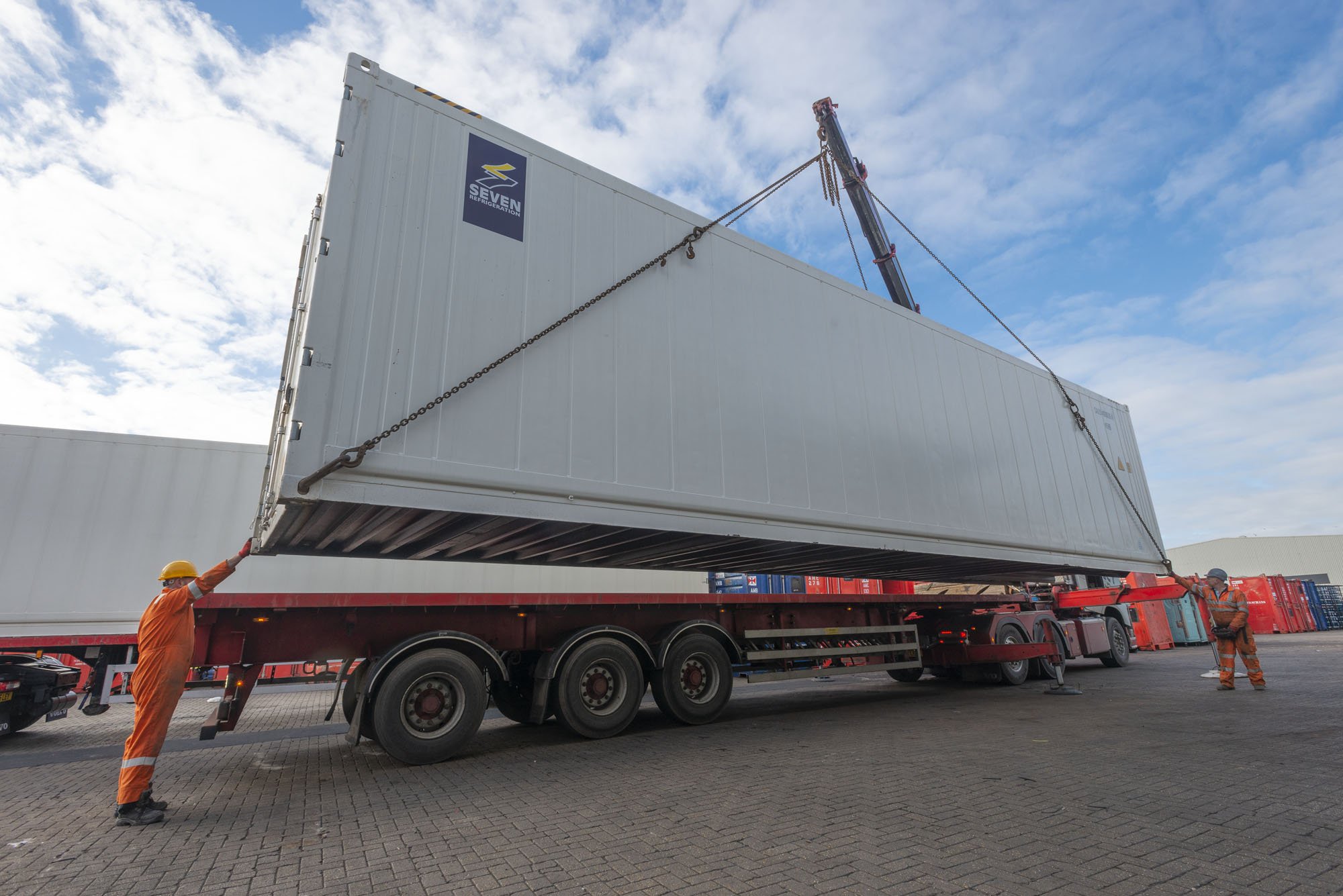
What can you store in a refrigerated container?
Artwork, antiques and artifacts
Due to the fragile nature of artwork, antiques and artifacts, they require cold storage with adjustable humidity settings to protect them. Exposure to moisture and heat caused by high ambient temperatures, could result in mould growth or warping, causing irreversible damage.
Galleries and museums that store vast collections often have their own specifically build temperature-controlled storage facilities to protect their assets, however there can be times during renovations, site moves or one-off exhibitions, where smaller short-term storage is required. Temperature-controlled storage containers provide a suitable alternative option for these events.
Flowers, plants and seedlings
Storing freshly cut flowers inside a refrigerated container can extend their shelf life prior to sale or display, whether that be in a florist, supermarket or flower show.
Plants thrive in specific temperatures unique to their country of origin. A temperature-controlled environment can therefore be advantageous for plant storage, as it can create the ideal setting for plants to flourish before use.
Seedlings and soil test samples collected by horticultural scientists, researchers and propagation specialists also require set temperatures for storage. Refrigerated containers can provide the environment necessary, with the additional benefit of being mobile, meaning they can also be used onsite during sample collection.
Food and drink
Whether fresh or frozen, a wide variety of food and drink requires temperature-controlled storage to preserve the taste, quality and safety of the product. Wholesalers, manufacturers, supermarkets, meal-kit providers, bakers, butchers and farmers all use refrigerated containers to increase their temperature-controlled storage capacity.
Medications, vaccines and biological samples
Tablet and capsule medications require storage at room temperature (up to 25°c) to ensure the stability and the medication prior to use. High ambient temperatures can reduce the effectiveness of some medicines, whilst increasing the potency of others, both of which could cause substantial health risks to a patient.
Vaccines, injections and specialist medications have even stricter temperature storage requirements, usually requiring storage at temperatures between 2°c and 8°c to ensure patient safety.
Biological samples are also temperature-sensitive, with poor storage resulting in spoiled or unreliable test results. This is why many hospitals, health clinics and laboratories utilise refrigerated storage containers for additional storage, as part of their emergency planning or during building maintenance and construction.
Timber and resin
Timber requires storage in a temperature-controlled environment to prevent the material from warping prior to use, whilst resin needs to be kept at set temperatures to stop the liquid from hardening.
Call 01473 261780 today to discover how we can help you get the storage you need.