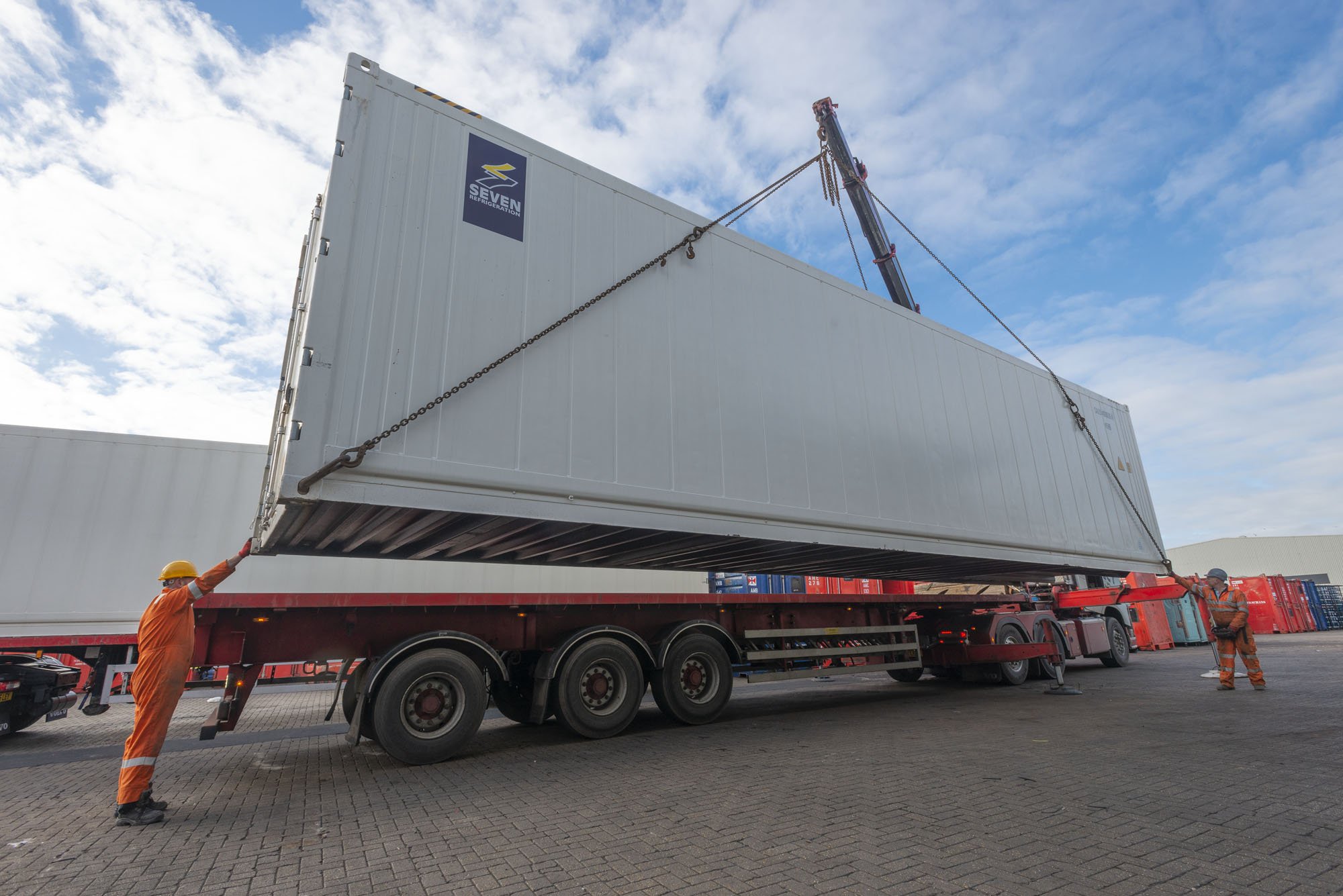
Ports Under Pressure: Why Smart Port Logistics Services Matter More Than Ever
The Reality of UK Ports
In recent years, UK ports have faced unprecedented challenges. Congestion patterns and vessel bunching are now common sights, putting immense pressure on the country’s port infrastructure. As these issues escalate, the role of port logistics services becomes increasingly vital. Acting as the control layer, these services manage disruptions and ensure smoother operations.
The Cost of Poor Coordination
Dwell Time Increases
One of the most significant impacts of poor coordination is the increase in dwell time. When cargo sits idle, it not only delays delivery but also clogs up valuable port space. This inefficiency can ripple through the supply chain, causing further delays and impacting businesses reliant on timely deliveries.
Missed Delivery Slots
Missed delivery slots are another costly consequence of inadequate logistics. When shipments don’t arrive as scheduled, it disrupts the entire distribution network. This can lead to a cascade of issues, from stock shortages to unhappy customers, all of which can tarnish a company’s reputation.
Escalating Storage and Demurrage Costs
As dwell times and missed slots increase, so do storage and demurrage costs. Ports charge fees for cargo that remains beyond a certain period, and these costs can quickly add up. For businesses, this means higher operational expenses and reduced profit margins.
Rail, Road and Intermodal Shifts
Growth in Inland Rail Connectivity
In response to these challenges, there’s been a notable shift towards inland rail connectivity. Rail offers a more efficient and environmentally friendly alternative to road transport, and its growth is helping to alleviate some of the pressure on ports.
Reduced Reliance on Road-Only Distribution
With the rise of rail, there’s a reduced reliance on road-only distribution. This shift not only eases congestion but also offers a more reliable means of transporting goods. By diversifying transport modes, businesses can better manage risks and ensure timely deliveries.
Why Integrated Movement Planning is Now Critical
Integrated movement planning is now more critical than ever. By coordinating rail, road, and sea transport, companies can optimise their logistics operations. This holistic approach ensures that goods move seamlessly from port to destination, reducing delays and costs.
What Modern Port Logistics Should Deliver
Real-Time Coordination
Modern port logistics must offer real-time coordination. By leveraging advanced technologies, logistics providers can monitor and manage cargo movements, ensuring that everything runs smoothly and efficiently.
Customs Handling and Compliance
Efficient customs handling and compliance are also essential. With ever-changing regulations, having a logistics partner who can navigate these complexities is invaluable. This ensures that shipments clear customs quickly, avoiding costly delays.
End-to-End Visibility
End-to-end visibility is a hallmark of effective port logistics. By providing a comprehensive view of the supply chain, logistics services enable businesses to track shipments, anticipate issues, and make informed decisions.
In today’s challenging environment, resilience is key. Experienced port logistics operators can help businesses navigate disruptions and optimise their supply chains. To strengthen your port logistics strategy, get in touch with us today. With our expertise, you can ensure that your operations remain efficient and cost-effective, no matter the challenges ahead.
To find out how we can help your business, call the team today on 01394 673777