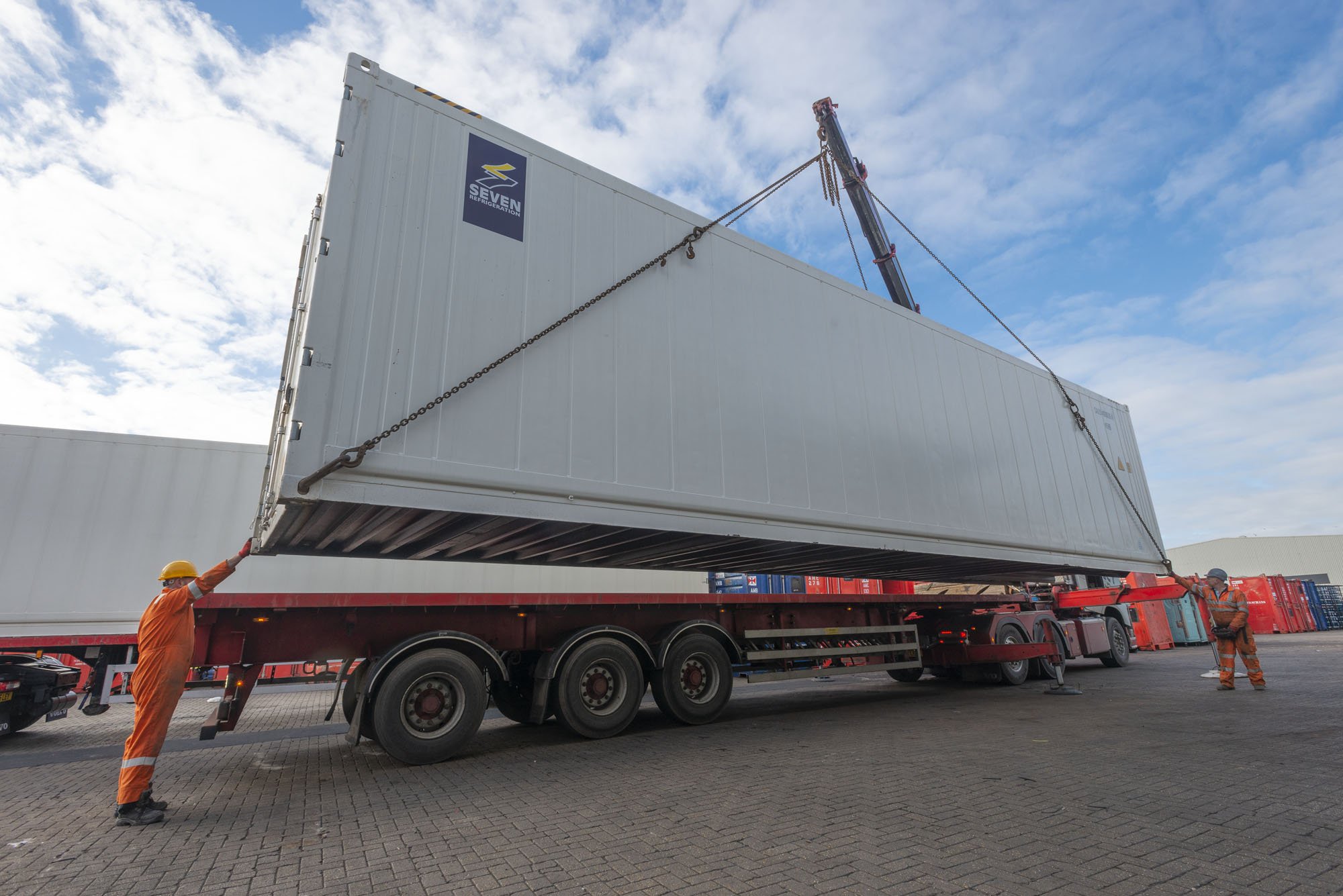
London Gateway’s Rise: Is This Now the UK’s Most Strategic Logistics Hub?
In recent years, London Gateway has emerged as a formidable player in the UK’s logistics landscape. With its strategic location and state-of-the-art facilities, it is rapidly becoming a serious competitor to traditional ports. This article explores the factors contributing to its rise and what it means for importers and exporters.
Momentum Building at London Gateway
London Gateway has seen significant growth in throughput, marking its ascent as a key logistics hub. The port’s recent expansion in rail links has further strengthened its position, enabling it to compete effectively with established ports. This momentum is a testament to strategic planning, modern infrastructure, and operational excellence.
Recent Throughput Growth
Throughput at London Gateway has surged, driven by increasing demand and operational efficiency. This growth demonstrates the port’s capacity to handle large container volumes, making it a preferred choice for logistics companies seeking reliability and speed.
Expanding Rail Links
The port’s direct rail services to the Midlands and the North are a game-changer, offering faster, more reliable inland container movement. By reducing transit times and congestion risks, these connections enhance supply chain efficiency and provide a competitive advantage over traditional hubs.
A Serious Competitor
With modern infrastructure, deep-water capabilities, and improved connectivity, London Gateway is positioning itself as a serious alternative to traditional ports. For businesses looking to diversify logistics operations, the port offers compelling benefits.
Infrastructure That Changes the Game
London Gateway’s infrastructure is one of its strongest assets, setting it apart from other ports.
Deep-Water Capability
The port boasts deep-water capabilities, allowing it to accommodate the largest vessels. This feature is crucial for handling the growing size of container ships, ensuring that London Gateway remains relevant in the global shipping industry.
Automation and Efficiency
Ample on-site space allows for seamless integration of shipping and logistics, reducing dependency on off-site warehousing and improving overall supply chain efficiency.
On-Site Logistics Space
The availability of on-site logistics space is another advantage. It allows for seamless integration of shipping and logistics operations, reducing the need for off-site warehousing and transportation. This integration is a key factor in improving supply chain efficiency.
Rail Connectivity and Inland Reach
Rail connectivity is central to London Gateway’s strategy, extending its reach beyond the port and enhancing supply chain resilience.
Direct Rail Services to Midlands and North
The direct rail services to key regions like the Midlands and the North are pivotal. They provide a faster, more efficient route for inland container movement, reducing transit times and costs.
Faster Inland Container Movement
The improved rail connectivity ensures that containers can be moved inland quickly, reducing delays and enhancing supply chain reliability. This speed is crucial for businesses that rely on timely deliveries.
Reduced Congestion Risk
By offering alternative routes and modes of transport, London Gateway significantly reduces the risk of congestion. This capability is especially important during peak times when other ports may struggle to cope with demand.
What This Means for Importers and Exporters
The rise of London Gateway presents several opportunities and advantages for importers and exporters.
Diversifying Away from Single-Port Reliance
Relying on a single port can be risky, especially in times of disruption. London Gateway offers a viable alternative, allowing businesses to diversify their logistics operations and mitigate risks.
Shorter Inland Transit Times
The port’s strategic location and enhanced connectivity result in shorter inland transit times. This efficiency is a significant advantage for businesses looking to streamline their supply chains.
Improved Supply Chain Flexibility
With its modern infrastructure and connectivity, London Gateway offers improved supply chain flexibility. Businesses can adapt quickly to changes in demand, ensuring that they remain competitive in a dynamic market.
Looking To Improve Your Logistical Operations?
London Gateway’s strategic advantages make it a compelling choice for optimising logistics operations. With modern facilities, advanced rail connectivity, and deep-water capacity, it is rapidly establishing itself as a key player in the UK logistics sector.
Contact Seven Group today to optimise your London Gateway logistics operations.