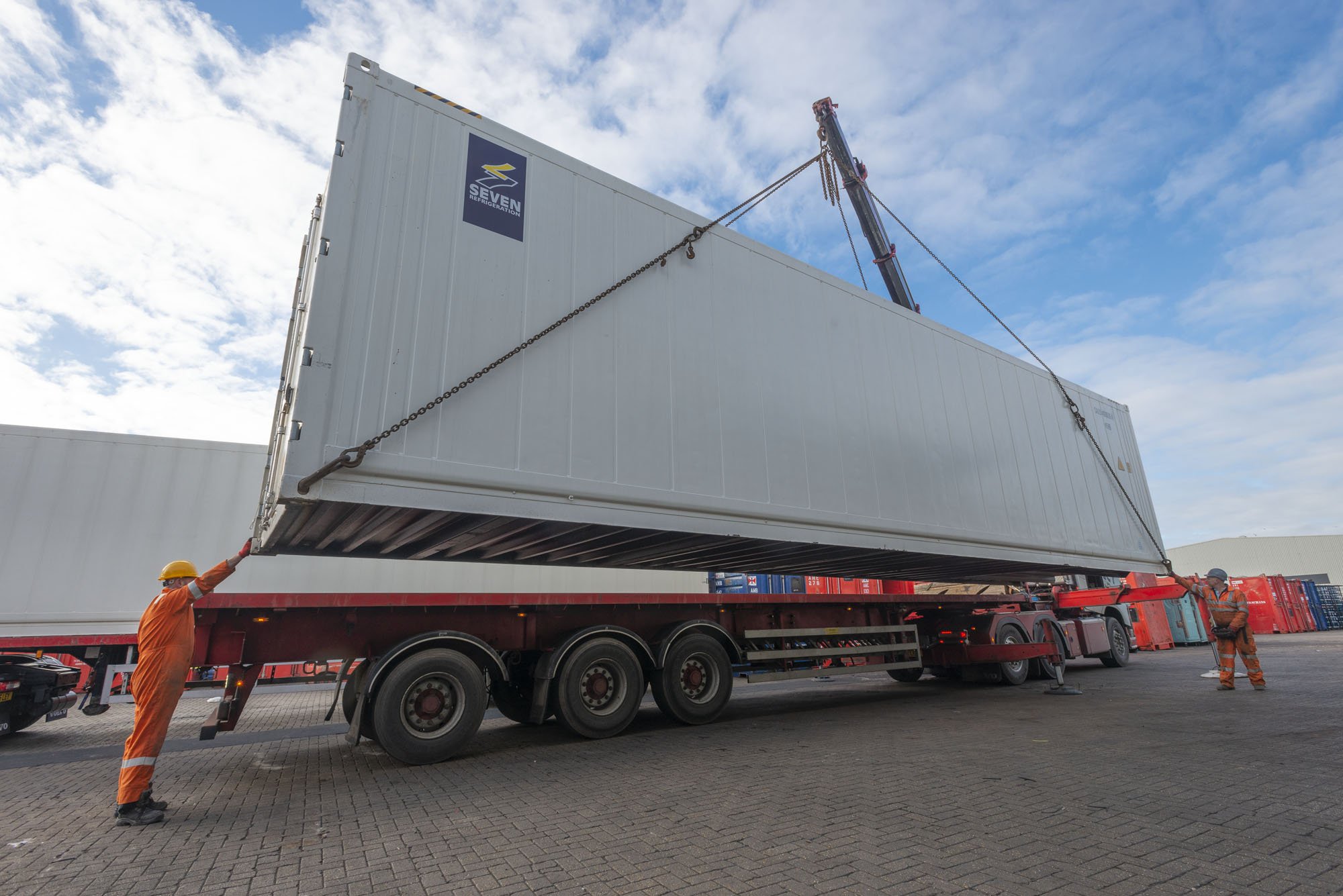
When Minutes Matter in Cold Chain Logistics
In cold chain logistics, precise temperature control is critical. A minor deviation can compromise an entire shipment, leading to significant financial loss and damaging your company’s reputation. Effective cold chain management is not just about refrigeration; it requires proactive risk management throughout every stage of the supply chain.
Key factors to consider in effective cold chain risk management include:
- Continuous temperature monitoring to spot issues before they escalate
- Detailed contingency planning for unexpected delays or equipment failures
- Regular staff training to ensure everyone understands cold chain protocols
- Collaboration and communication across all logistics partners to prevent oversights
Managing these risks proactively not only preserves product quality but also safeguards your business reputation and financial stability.
The Cost of Small Failures
In cold chain logistics, even small mistakes can have huge consequences. A missed transfer window could ruin an entire shipment. The financial costs hit immediately, but the damage to your reputation can linger far longer. With increasing regulatory scrutiny and rising customer expectations, every detail counts.
Some important consequences of small failures include:
- Loss of high-value, temperature-sensitive inventory
- Potential health risks if products become unsafe for use
- Regulatory penalties or audits following non-compliance
- Lasting harm to relationships with clients and stakeholders
Taking steps to identify and address these risks can make a significant difference between operational success and failure. A robust monitoring system, clear escalation procedures, and regular reviews of your logistics processes are all essential to reducing the chance of costly errors.
Growing Challenges in Logistics
The global shipping industry is under immense pressure. UK ports are struggling with congestion, seasonal demand spikes are stretching cold storage capacity, and schedule changes have become routine. To succeed, businesses need a cold chain strategy that can withstand these challenges and operate seamlessly.
Key logistical challenges impacting cold chains today include ongoing congestion at major ports, which causes frequent delays, and seasonal demand spikes that lead to shortages in cold storage space. Scheduling disruptions often lead to missed delivery windows, while heightened complexity in coordinating among multiple partners adds another layer of difficulty.
To adapt, companies must invest in flexible systems and technology, build strong relationships with logistics providers, and regularly review their contingency plans. By staying proactive, businesses can navigate these ongoing disruptions and maintain the quality of their temperature-sensitive cargo.
What a Strong Cold Chain Looks Like
Success in cold chain logistics depends on real-time temperature tracking and strong communication between ports, warehouses, and transport providers. Contingency plans must be built into operations to handle risks and keep temperature-sensitive goods safe.
A resilient cold chain is built on several key elements. It requires integrated temperature monitoring systems across all transport and storage phases, alongside immediate alert mechanisms for any out-of-range temperature events. Standardised protocols for handling disruptions or equipment malfunctions are essential, as is data-driven analysis to identify potential weak points and continuously improve processes.
Building a robust cold chain goes beyond simply reacting to incidents. It means anticipating potential breakdowns, training staff to act quickly, and leveraging technology for end-to-end visibility. This holistic approach ensures that goods arrive safely, maintains compliance, and protects both consumers and brand reputation.
A Strategic Business Priority
Cold chain failures don’t just hurt the bottom line; they erode customer trust and brand loyalty. With rising expectations for ESG compliance and resilient supply chains, cold chain logistics has become a crucial concern at the board level. Companies that excel in this area gain a competitive edge by protecting their reputation and exceeding customer expectations.
Recognising cold chain risk management as a core business focus empowers organisations to make informed investments in technology, training, and partnerships. This approach positions businesses for long-term growth and stability in a rapidly changing logistics landscape.
Protect Your Brand With Our Cold Chain Logistics
Cold chain logistics is more than just keeping goods cold; it is about safeguarding your brand and building trust with every shipment. Seven Group brings over 25 years of experience in temperature-controlled logistics, providing tailored solutions designed to keep your operations running efficiently and reliably.
By partnering with experts in the field, you can focus on your core business while ensuring every shipment arrives in optimal condition.
Contact us today to see how we can help your operations.